
30 Apr How to Extend Your Visa for Work & Education With a Lawyer
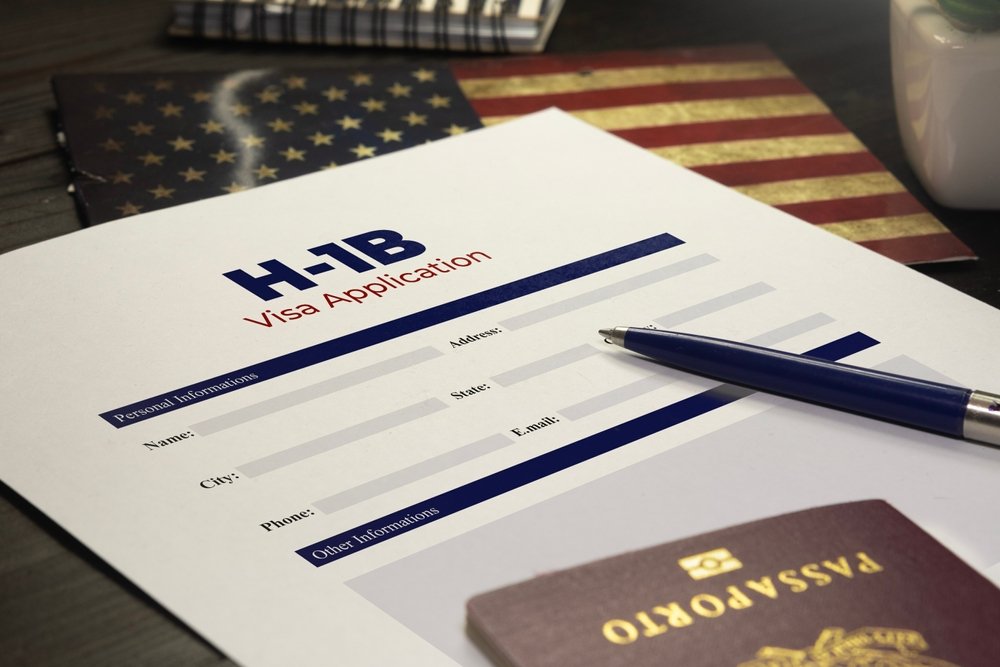
Many individuals come to the United States to pursue valuable work or educational opportunities. For example, professionals may arrive on H-1B visas to work in specialized fields like engineering, healthcare, or IT, while international students often enter on F-1 visas to attend universities or participate in academic training programs. While these opportunities can be life-changing, the visas that allow entry into the U.S. are typically limited in duration. For instance, an H-1B visa is generally valid for three years with the possibility of extension, while F-1 student visas are tied to the length of a specific academic program.
As circumstances evolve, many workers and students find they need to remain in the U.S. longer than originally planned, perhaps to complete a degree, continue employment, or take advantage of new opportunities. Unfortunately, navigating the visa extension process can be confusing. Strict deadlines, complex eligibility requirements, and detailed documentation can create significant challenges. Missing even a small detail can lead to delays or denials. This is where working with an experienced immigration lawyer becomes essential. Legal guidance can help ensure that your application is accurate and positioned for success.
Let’s take a closer look at the steps you should take to extend your work or student visa properly.
Types of Work & Student Visas That May Be Extended
Several common student and work visas allow for extensions under certain conditions. Understanding which category you fall into is the first step in determining your eligibility.
H-1B Visas (Specialty Occupations)
These visas are typically granted for three years and may be extended up to a total of six years. Extensions often require employer sponsorship and proof that the job continues to meet specialty occupation criteria.
L-1 Visas (Intra-Company Transfers)
Employees transferring within multinational companies may hold L-1 visas. These can be extended depending on whether the employee is classified as an executive, manager, or specialized knowledge worker.
O-1 Visas (Extraordinary Ability)
Individuals with exceptional abilities in fields like science, arts, or business can apply for extensions in one-year increments, provided they continue working in their area of expertise.
F-1 Student Visas
Students may extend their stay if they need more time to complete their academic program or participate in Optional Practical Training (OPT). Extensions often require documentation from the school and proof of continued enrollment.
J-1 Exchange Visitor Visas
Certain J-1 visa holders may be eligible for extensions depending on their program category. However, some are subject to a two-year home residency requirement, which can complicate the process.
Steps to Apply for a Student or Work Visa Extension
While the exact process may vary depending on the visa type, most extensions follow a similar set of steps:
- Determine Eligibility: Before applying, confirm that your visa category allows for an extension and that you meet all requirements. This may include maintaining lawful status, continuing your original purpose in the U.S., and securing employer or school support.
- File the Appropriate Form: Different visas require different forms. For example, Form I-129 is commonly used for work visa extensions, while Form I-539 may be used for certain student or dependent visa extensions.
- Gather Supporting Documentation: You will need to provide evidence, such as employment verification, academic transcripts, proof of financial support, and copies of your current visa and passport. Accuracy and completeness are critical with these documents.
- Submit Your Application on Time: Applications should generally be filed before your current visa expires. Filing late can jeopardize your legal status and may result in denial.
- Attend Biometrics or Interviews (If Required): Some applicants may be asked to attend a biometrics appointment or an interview. Being prepared for these steps can help avoid unnecessary delays.
- Wait for a Decision: Processing times can vary widely depending on the visa type and current immigration workload. Premium processing may be available in some cases to expedite decisions.
Working with an employment-based immigration lawyer can help streamline each of these steps and ensure your application is properly prepared from the start.
Common Mistakes to Avoid When Extending Your Visa
Even minor errors can have significant consequences in the visa extension process, so make sure you avoid these common mistakes:
- Missing Deadlines: Failing to file your extension before your current visa expires can result in unlawful presence and potential removal proceedings.
- Incomplete Applications: Submitting forms without all required documentation or leaving sections blank can lead to delays or outright denial.
- Providing Inaccurate Information: Errors or inconsistencies in your application may raise red flags with immigration authorities and harm your credibility.
- Failing to Maintain Status: If you have violated the terms of your visa, such as working without authorization or dropping below full-time student status, you may be ineligible for an extension.
- Overlooking Changing Regulations: Immigration laws and policies regarding visa extensions can change frequently. Relying on outdated information may lead to mistakes that could have been avoided.
The Benefits of Working With an Immigration Lawyer
The stakes of an immigration filing are incredibly high. In many cases, a denial doesn’t just mean a missed job opportunity; it can mean uprooting your family and leaving your home. Working with an immigration lawyer can help you avoid this fate and enjoy a range of benefits, including:
- Personalized Legal Advice: Every situation is unique. An attorney can assess your specific circumstances and recommend the best course of action.
- Accurate and Complete Applications: Lawyers help ensure that all forms needed for your student or work visa type are filled out correctly and that supporting documentation is thorough and well-organized.
- Timely Filing and Deadlines: An experienced attorney will keep track of important deadlines and help you submit your application on time.
- Problem-Solving Expertise: If complications arise, such as prior visa violations or complex eligibility issues, a lawyer can develop strategies to address them.
- Reduced Stress and Uncertainty: Navigating immigration processes alone can be overwhelming. Having a knowledgeable advocate on your side provides peace of mind.
Ultimately, legal representation can significantly improve your chances of a successful visa extension while minimizing risks.
Get Help Extending Your Work or Student Visa From Henry & Grogan
At Henry & Grogan, we are committed to providing strategic and affordable immigration representation. We understand how important your work or educational opportunities are, and we will work closely with you to develop a tailored solution that meets your needs. Best of all, our firm offers free consultations, giving you the opportunity to discuss your situation and explore your options without added pressure.
If you need help extending your visa, contact our friendly team in Philadelphia, PA, today to receive personalized support and take the next step toward achieving your goals in the United States.